

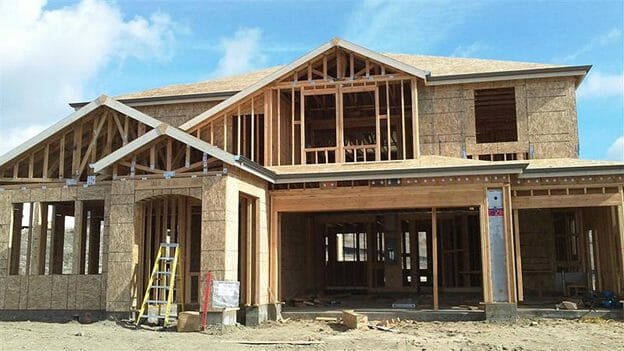
Walk through any building under construction, and you’ll spot those distinctive ribbed metal bars woven into grids before concrete gets poured. Most people walk right past without a second thought. Property investors and managers? We should be paying much closer attention.
Reinforced steel reveals everything about how seriously a builder approached their work. Think of rebar as a property’s skeleton—what holds everything together when storms hit, ground shifts, or time takes its toll. Understanding what quality reinforcement looks like helps property owners spot red flags during inspections and make smarter investment decisions.
Why Reinforcement Steel Matters More Than You Think
Concrete handles compression beautifully. Squeeze down on solid concrete, and it stays strong. But pull, bend, or twist that same material? Cracks appear quickly. Steel reinforcement bars (rebar) solve this weakness by adding tensile strength concrete lacks on its own.
Picture a residential foundation. Soil beneath properties expands and contracts with moisture and temperature changes. Without proper reinforcement, concrete slabs crack and shift. Quality rebar placement creates a flexible yet stable structure that moves with environmental changes instead of fighting against natural forces.
Commercial buildings face even greater demands. Multi-story structures need reinforced columns and beams handling massive loads while resisting lateral forces from wind and seismic activity. Corners where stress concentrates require extra reinforcement attention. Builders cutting corners on steel specs create future nightmares for property owners.
Spotting Quality Reinforcement During Property Inspections
Visible rebar during construction phases offers valuable clues about overall build quality. Proper spacing between bars follows strict engineering specifications. Bars placed too far apart leave weak zones vulnerable to failure. Crowding bars too closely together prevents concrete from flowing properly around steel, creating air pockets that weaken structural integrity.
Rebar should sit centered in concrete sections, not touching exterior surfaces. When steel reaches too close to outer edges, moisture penetrates and causes rust. Corroded reinforcement expands, cracking concrete from within. Quality builders use spacers and chairs keeping bars positioned correctly throughout pours.
Pay attention to intersections where bars cross. Professional installers secure connections with wire ties, not just overlapping loose pieces. Properly tied grids distribute loads evenly across entire structures. Amateur work shows in wobbly, shifting bars before concrete arrives.
For properties already completed, getting prepared with an ultimate checklist for home inspections helps buyers identify potential structural concerns before closing deals.
Different Steel Types Signal Different Quality Levels
Not all reinforcement steel performs equally. Grade markings stamped on bars indicate strength ratings. Standard residential construction typically uses Grade 60 rebar, meaning steel yields at 60,000 pounds per square inch. Commercial projects often specify higher grades for added strength.
Deformed bars feature those distinctive ridges bonding mechanically with surrounding concrete. Smooth bars slip more easily, reducing overall structural performance. Top-tier contractors exclusively use deformed reinforcement for critical structural applications.
Epoxy-coated rebar costs more but delivers superior corrosion resistance. Properties near coastlines or in humid climates benefit tremendously from this upgrade. Green or color-coded bars signal protective coatings extending service life significantly beyond standard black steel.
Galvanized reinforcement offers another corrosion-resistant option. Zinc coating protects underlying steel from rust even when minor concrete cracks expose bars to moisture. Both standard and galvanized options are available meeting various project specifications and environmental demands.
Pool and Foundation Red Flags
Pools represent particularly demanding applications for reinforcement steel. Water pressure constantly pushes against pool walls while ground movement pulls from outside. Builders sometimes skimp on pool steel specifications since problems don’t appear immediately.
Quality pool construction uses continuous reinforcement cages with no weak joints. Sydney Reo’s pool steel bars are specifically designed for these aquatic applications, providing corrosion resistance and structural integrity pools require. Bars should run vertically and horizontally forming complete grids. Cutting corners here leads to cracks appearing within just a few years, creating expensive repair scenarios for property owners.
Foundation work deserves equally close scrutiny. Proper footer reinforcement extends beyond building footprints, anchoring structures firmly. Turned-up bar ends at slab edges prevent separation between vertical walls and horizontal surfaces. Missing these details now means settling issues and structural repairs later.
Basement walls need both vertical and horizontal reinforcement resisting pressure from surrounding soil. Single layers of rebar rarely provide adequate strength. Professional foundation work incorporates dual reinforcement layers with proper spacing throughout concrete thickness.
What Property Investors Should Look For
Real estate investors evaluating properties benefit from understanding reinforcement quality indicators. Original building permits often specify rebar requirements. Comparing actual installation against permitted plans reveals whether builders followed engineering designs or cut corners.
Concrete cracks tell stories about underlying reinforcement. Fine hairline cracks running with expansion joints? Normal settling. Wide cracks showing concrete separation? Possible reinforcement problems requiring investigation. Horizontal cracks across foundation walls suggest inadequate steel placement during original construction.
Properties with visible rust stains bleeding through concrete surfaces signal corrosion issues. Steel expands as rust forms, creating pressure that spalls concrete away from surfaces. Once started, this process accelerates without intervention. Repair costs climb steeply as damage spreads.
Older properties built before modern codes may lack adequate reinforcement by current standards. Seismic retrofitting projects often add supplemental steel strengthening existing structures. Properties in earthquake zones particularly benefit from reinforcement upgrades meeting current safety requirements.
How Builders Choose Materials
Reputable contractors source reinforcement materials from established suppliers guaranteeing quality certifications. Steel arrives with mill certificates documenting grade specifications and chemical composition. These certificates provide proof that materials meet engineering requirements and building codes.
Budget-conscious builders sometimes substitute lower-grade steel hoping inspectors won’t notice. Differences aren’t visually obvious without checking grade stamps carefully. However, performance gaps become apparent when structures face real-world stresses over time.
Custom fabrication services like cut-and-bend operations produce precise reinforcement cages matching specific project needs. Pre-fabricated assemblies arrive at job sites ready for installation, reducing field labor while improving accuracy. Properties built with custom steel work typically show higher overall construction quality.
Questions Property Managers Should Ask
When evaluating renovation projects or new construction, asking targeted questions reveals contractor knowledge and commitment to quality. Which steel grade specifications will be used? How will bars be secured at intersections? What spacing follows engineering plans?
Professional contractors answer confidently, often providing documentation supporting material choices. Vague responses or reluctance sharing specifications suggest potential quality concerns worth investigating further.
Request seeing supplier certifications for major reinforcement purchases. Legitimate materials come with documentation tracing back to manufacturing sources. Absence of paperwork raises red flags about material authenticity and grade accuracy.
Inspection timing matters significantly. Schedule visits when reinforcement placement completes but before concrete pours begin. Once concrete covers steel, verification becomes impossible without destructive testing. Missing this window eliminates opportunities catching problems before permanent burial.
Long-Term Value Considerations
Properties built with quality reinforcement command premium resale values. Buyers increasingly research construction quality, especially in markets prone to natural disasters. Documented evidence of superior structural materials justifies higher asking prices.
Maintenance costs decrease substantially when reinforcement meets or exceeds minimum standards. Fewer cracks mean less water intrusion, reduced pest access, and lower repair expenses over ownership periods. Quality initial construction pays dividends through reduced operational costs.
Insurance companies recognize structural quality differences when underwriting policies. Properties demonstrating superior construction standards sometimes qualify for reduced premiums. Concrete documentation of reinforcement specifications provides evidence supporting lower risk classifications.
Making Informed Investment Decisions
Understanding reinforcement steel transforms property evaluation from surface-level assessments into deeper structural analysis. What appears cosmetically identical from outside may hide significant quality differences within walls and foundations.
Smart property investors include structural engineers in due diligence teams for major acquisitions. Professional assessments identify reinforcement adequacy, revealing whether buildings meet current codes or require expensive upgrades. Upfront investigation costs pale compared to unexpected structural repairs later.
Properties offering access to original construction documentation carry advantages over those with sparse records. Building permits, inspection reports, and material certifications help buyers understand precisely what exists behind finished surfaces.
Renovation projects provide opportunities to upgrade substandard reinforcement in older properties. Adding supplemental steel during remodels strengthens structures while improving safety margins. These improvements enhance both property value and owner peace of mind.
Your Property Deserves Quality Foundations
Reinforced steel might hide behind walls and under floors, but its influence extends throughout every property we buy, manage, or sell. Taking time to understand what quality reinforcement looks like empowers better decisions protecting investments and ensuring tenant safety.
Next time walking through properties under construction or evaluating renovation plans, pay attention to those ribbed metal bars. They’re telling you stories about builder commitment, structural integrity, and long-term value. Properties built right from foundations up reward owners with decades of reliable performance.
Quality reinforcement costs relatively little compared to total construction budgets. Yet cutting corners here creates ripple effects touching every aspect of property ownership. Smart investors recognize this reality, prioritizing structural excellence over superficial upgrades that fade quickly.