

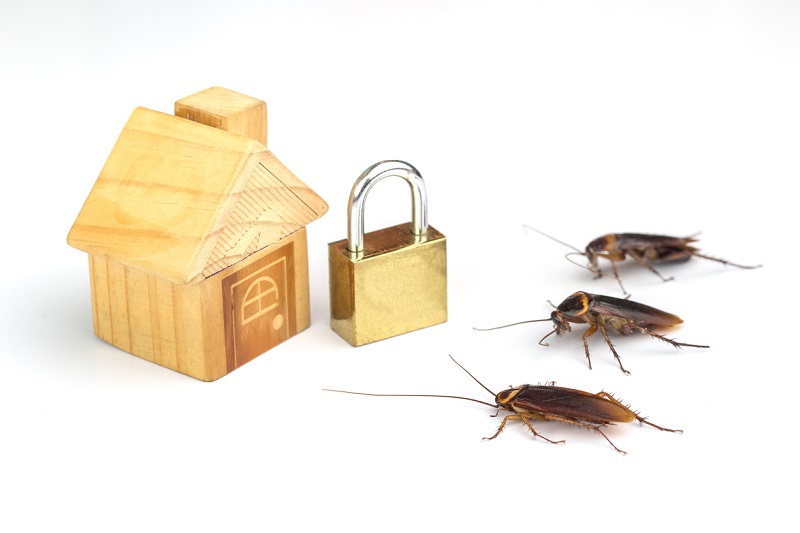
Common Pest Control Myths That Cost Property Managers Time and Money
For property managers juggling maintenance requests, tenant turnover, and owner expectations, pest control often gets pushed to the bottom of the priority list until a resident calls in a panic. But pest problems have a way of compounding quietly behind walls and under floors, turning a minor nuisance into a five-figure repair bill or a lease that doesn’t get renewed. If you manage multi-family units, single-family rentals, or HOA communities anywhere in Florida, the myths you believe about pest control directly affect your bottom line and your tenant retention rates.
This matters even more in warm, humid climates where pests thrive year-round instead of dying off in winter. Property managers who assume their buildings are protected simply because they look clean or because a technician sprayed once last spring are often the ones fielding the most complaints. Understanding what actually works, and what’s just industry folklore, can save you money and protect the reputation you’ve built with owners and residents alike.
Myth #1: A Clean Property Never Gets Pests
This is one of the most persistent myths in property management, and it’s easy to see why people believe it. Cleanliness does reduce food sources for many pests, so it feels logical that a spotless building should stay pest-free. Unfortunately, plenty of pests are drawn to moisture, warmth, and shelter rather than crumbs on a countertop. Termites don’t care how often the carpets are vacuumed, and rodents will happily nest in a pristine attic if it offers dry insulation and a way in from outside.
The financial reality backs this up. Termites alone cause an estimated 5 billion dollars in damage across the United States every year, affecting roughly one in twelve homes regardless of how well those homes are maintained. Cockroaches were found in 44 percent of surveyed homes in 2023, many of which were reported as clean by their occupants. For property managers in South Florida, where humidity and older building stock create ideal conditions for pests, this myth is especially costly. Partnering with a knowledgeable Boca Raton pest control provider gives you eyes on the structural and environmental risk factors that cleanliness alone can’t fix.
Myth #2: One-Time Spraying and DIY Methods Solve Pest Problems
Many property managers still believe that a single treatment, or a quick trip to the hardware store for foggers and bait traps, will handle an infestation for good. This belief usually comes from budget pressure. DIY methods look cheaper upfront, and a one-time spray feels like a box checked. But pests reproduce quickly, and most over-the-counter products only kill what they directly contact, leaving eggs, nesting sites, and entry points completely untouched.
The hidden cost shows up later, when the same unit gets a repeat complaint three months down the line, except now the infestation is larger and harder to treat. Rodents are a good example of how this plays out. They’re present in 36 percent of U.S. homes and are responsible for roughly 21,000 house fires annually due to gnawed wiring, damage that DIY glue traps do nothing to prevent. This is precisely why the commercial pest control industry grew by 9 percent in 2024 as more property managers recognized that reactive, piecemeal treatment costs more in emergency calls, tenant turnover, and property damage than a structured service contract ever would.
Myth #3: Pets and Preventative Sealing Are Enough
Some property managers assume that once maintenance has sealed obvious gaps and a resident’s cat or dog is on patrol, the pest risk is essentially handled. Sealing entry points is genuinely useful, and pets can deter some intruders, but this combination misses the coordinated approach that actually keeps buildings pest-free over time. Pests exploit gaps that aren’t visible during a routine walkthrough, and a dog barking at a mouse doesn’t address a termite colony growing in a foundation beam.
This is where Integrated Pest Management, or IPM, comes in. According to EPA, the EPA confirms that Integrated Pest Management is the most effective way to control pests in multi-family housing, requiring teamwork between residents, maintenance staff, pest professionals, and property managers rather than reliance on one-time treatments or DIY solutions. IPM adoption reached 45 percent among U.S. commercial sectors in 2023, a meaningful jump as more organizations moved away from reactive spraying toward monitoring, sealing, sanitation, and targeted treatment working together. For property managers overseeing multiple units, this coordinated model fits naturally alongside broader operational services that already emphasize preventative maintenance over emergency response.
The Real Solution: Proactive Monitoring, Professional Treatment, and Tenant Communication
The property managers who spend the least on pest control long-term are rarely the ones who spend the least upfront. They’re the ones who schedule regular inspections, communicate clearly with tenants about reporting early signs of activity, and treat pest management as a continuous process rather than a one-time transaction. Quarterly or seasonal visits from licensed professionals catch problems while they’re still cheap to fix, and documented service records protect you if a dispute ever arises with an owner or resident.
Tenant communication matters just as much as the treatment itself. Residents who know what to look for, and who feel comfortable reporting a single roach or mouse dropping right away, give you the early warning system that prevents small issues from becoming expensive ones. Combine that with a pest control partner who understands regional pressures, seasonal pest cycles, and building-specific vulnerabilities, and you’ve replaced guesswork with a system that actually protects your properties and your budget.
Pest or Issue | Statistic |
Cockroach infestations in U.S. homes (2023) | 44% of surveyed homes affected |
Annual termite damage in the U.S. | $5 billion, affecting 1 in 12 homes |
Rodent presence in U.S. homes | 36% of homes; 21,000 house fires annually |
Commercial pest control industry growth (2024) | 9% growth |
IPM adoption in U.S. commercial sectors (2023) | 45% adoption rate |